
Slot Volatility Explained: Why Your Bankroll Matters
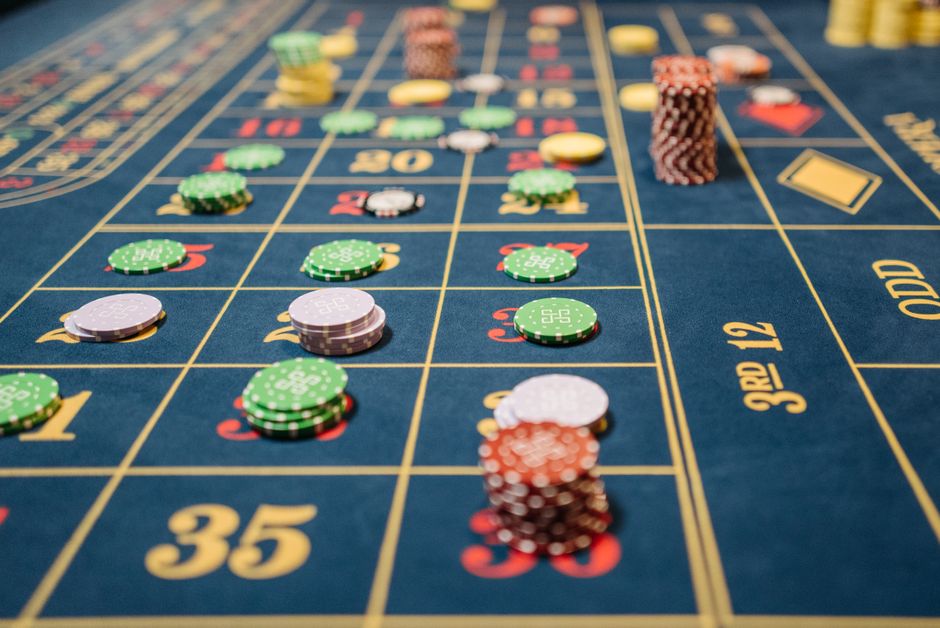
You've picked a slot, spun for twenty minutes, and watched your balance drain without a single meaningful win. Meanwhile, a friend plays the same game and hits three bonus rounds in ten minutes. Bad luck? Partly. But there's a mechanical reason behind those wildly different experiences, and it has nothing to do with the game being "hot" or "cold." It's called volatility, and understanding it is probably the single most useful thing you can do before you press spin.
Most players ignore this entirely. They pick games based on themes, graphics, or whatever sits at the top of the lobby. That's fine if you're playing for pure entertainment, but if you want your session to last as long as you planned, volatility is the dial you need to understand first.
What Volatility Actually Means
Every slot has a built-in payout distribution set by its math model. Volatility (sometimes called variance) describes how that distribution spreads out. A low-volatility slot pays small amounts frequently. A high-volatility slot pays rarely but potentially huge amounts. Both can have identical Return to Player percentages, which is the part most people miss.
Two games can both sit at 96% RTP and behave completely differently over a 500-spin session. One will keep you afloat with steady small wins. The other might eat 80% of your balance before throwing a 400x multiplier at you. Same theoretical return, totally different ride. Readers looking for specifics may like kingfun.gb.net.
Here's a rough breakdown of what to expect:
- Low volatility: frequent wins, typically under 5x your stake, gentle bankroll swings. Think classic 3-reel games and many "Book of" style slots tuned down.
- Medium volatility: a balanced mix, bonus features every 100–200 spins on average, wins in the 10x–50x range common.
- High volatility: long dry spells, big potential. Games like Money Train or San Quentin routinely go 300+ spins without a bonus.
- Extreme volatility: maximum win potential in the tens of thousands of x, but the base game can feel brutal. Not for the impatient.
The Bankroll Math Nobody Teaches You
This is where it gets practical. A common rule of thumb among experienced players is to size your session bankroll to at least 100x your bet on low-volatility games, 200x on medium, and 300–500x on high-volatility titles.
So if you're playing a high-volatility slot at $1 per spin, a $300–500 bankroll gives you a realistic shot at reaching a bonus feature. Trying the same game with a $50 bankroll and $1 spins is essentially a lottery ticket — you'll likely bust before the math has time to work.
The flip side matters too. If your entire bankroll is $100 and you're spinning $2 on an extreme-volatility game, you have fifty spins. Fifty spins on a slot with a 1-in-400 bonus frequency means you'll almost certainly never see the feature. That's not bad luck; it's arithmetic.
Poker, Betting, and the Same Principle
Volatility isn't just a slot concept. It shows up everywhere in iGaming once you look for it.
In poker, a winning player at a low-stakes cash game experiences low variance — the edges are small but consistent. The same player entering a large-field tournament faces enormous variance: they might play perfectly and bust on the first hand, or run deep once in twenty tries and make more than a year of cash game profit. Tournament poker is high volatility by design.
In sports betting, backing heavy favourites at odds of 1.20 produces frequent small wins but occasional painful losses that wipe out many wins. Backing longshots at 8.00 is the opposite. Sharp bettors think about this constantly — not just whether a bet has value, but how the variance of their bet portfolio affects their ability to survive a losing streak.
The unifying idea: expected value tells you what you'll earn on average; variance tells you whether you'll survive long enough to get there.
How to Choose Games That Match Your Session
Before you load a game, ask yourself three questions:
- How long do I want to play? If the answer is "a couple of hours with friends," low volatility keeps you in the action. If it's "I want a shot at a life-changing hit," high volatility is the tool.
- What's my total bankroll, not just tonight's? Volatility is easier to stomach when it's 5% of your overall roll rather than your rent money.
- Can I actually access the bonus feature? Check the game's stats — many providers publish hit frequency and max win. If the max win is 50,000x but the bonus triggers once every 500 spins, know that going in.
Providers increasingly publish this data. Pragmatic Play, Nolimit City, and Hacksaw Gaming are among the more transparent studios. Use it. A game's max win number is marketing; its hit frequency is information.
Common Myths Worth Dropping
"The slot is due for a win." No. Each spin is independent. Past results don't influence future spins on a certified RNG game. The only exception is slots with persistent mechanics like hold-and-win features that carry state across spins within a session.
"High RTP always means better." Not for a short session. A 96.5% RTP high-volatility slot and a 96% low-volatility slot are close on paper, but your actual evening will feel completely different on each.
"Betting bigger triggers bonuses." It doesn't. Bet size scales the payout, not the trigger frequency. A $0.20 spin and a $20 spin have the same chance of hitting the feature on a given spin.
What bet size does affect is your bankroll lifespan. Doubling your stake halves the number of spins you can take. That's the real lever.
The Takeaway
Nobody wins consistently at slots, poker, or betting without eventually understanding the shape of the risk they're taking. Volatility is the shape. It tells you whether tonight is going to be a slow grind or a rollercoaster, and it dictates whether your bankroll survives the quiet stretches that every game has baked into its maths.
Next time you open a casino lobby, stop picking by thumbnail. Filter by volatility, check the published stats, and match the game to how you actually want the session to feel. That single habit will do more for your enjoyment — and your longevity — than any hot-streak theory you'll ever read.


Build a small criss-cross stack of dry kindling around natural firelighters, then add thin logs once flames are strong and draught is steady.
Wait until the glass is cool, then use a damp cloth with wood ash or a specialist cleaner to remove soot without scratching the surface.
Inspect door seals, hinges and firebricks before the heating season, replacing worn parts to keep the stove running safely and efficiently.
Leave a thin layer of ash on the grate for insulation, then remove the rest with a metal scoop once the stove is completely cold.