
Improving Heat Circulation in Older Country Cottages
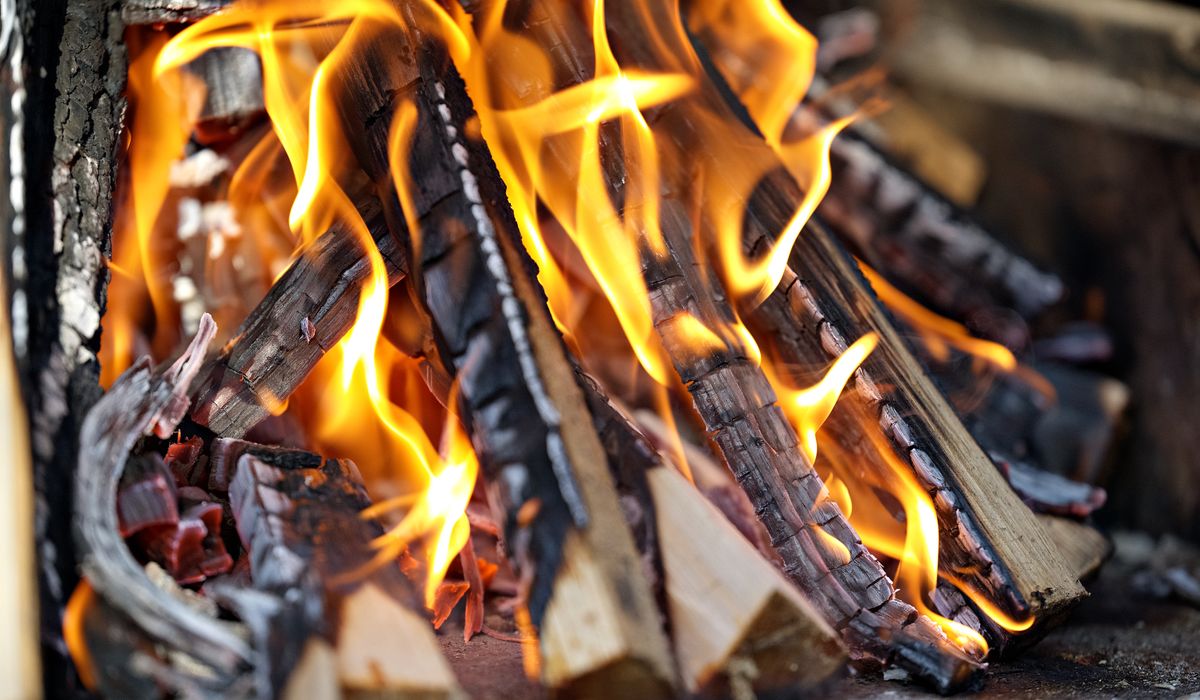
There’s a particular kind of chill that settles into an old country cottage. It’s not just the cold coming through the walls; it’s the way warmth from a stove or radiator seems to vanish into the next room—or straight up the chimney. In a stone or cob cottage with low doorways, uneven floors and a maze of small rooms, heat doesn’t naturally flow where you want it. But with a few thoughtful, low-cost measures, you can coax warm air through your home without turning up the central heating.
How Heat Moves Through an Old Cottage
Warm air is lazy. It rises, gathers at ceiling level, and then cools and falls—often in the wrong room entirely. In a cottage, this simple convection is complicated by draughts. Every gap around a door, window or floorboard acts as a siphon, pulling warmth out and cold air in. The stack effect makes it worse: warm air escaping through chimneys and roof spaces draws cold air in at ground level. Central heating fights this constantly, heating air that quickly leaks away. The smarter approach is to slow the movement of air, guide it gently towards the rooms you use, and let a well-placed stove do the heavy lifting.
Start with the Draughts: Excluders and Seals
Before you try to move warm air, stop it escaping. Draught-proofing is the most cost-effective first step in any older cottage.
- Door draught excluders: A simple fabric snake or brush seal at the bottom of an external door makes an immediate difference. For uneven floors, choose a brush strip that can be screwed to the door itself.
- Letterboxes and keyholes: Fit a sprung flap and a keyhole cover. These tiny gaps can funnel cold air straight into a hallway.
- Chimneys: When a fireplace or stove isn’t in use, a chimney balloon or draught excluder stops warm room air vanishing up the flue. Always remove it before lighting a fire.
- Windows and floorboards: Use self-adhesive foam or brush seals on sash windows, and fill gaps between floorboards with a flexible wood filler or slivers of hardwood. Rugs help too, but sealing is better.
None of these measures are expensive, and together they can make a room feel two or three degrees warmer without touching the thermostat.
Door Curtains and Zoning: Keeping Warm Air Where You Need It
Old cottages are often a series of connected rooms, so warm air drifts away from where you’re sitting. Door curtains are a traditional solution that works beautifully. Hang a heavy, floor-length curtain over internal doorways—especially between a heated living room and a colder hallway or stairwell. Thermal linings or thick wool are ideal. Use a tension rod so you can remove it easily, and let the curtain overlap in the middle to create a proper seal.
Zoning is about controlling airflow. Keep doors closed to cold rooms, but open them briefly when the stove is roaring to let warmth circulate. A simple routine: close the door to the kitchen when you’re not cooking, and close the stair door at night. If you have a central hallway, consider a second door curtain at the bottom of the stairs to stop heat rising to unused bedrooms.
Stove Placement and Operation for Natural Circulation
Where you put your stove matters as much as how you run it. A stove placed against an external wall loses heat through that wall; a central position—or one on an internal wall—radiates warmth into the heart of the cottage. If you’re installing a new stove, aim for a spot where warm air can rise and then spread naturally into adjoining rooms. Avoid boxing it into a tight alcove; leave air gaps around the sides and back so convection currents can form.
A heat-powered stove fan is a quiet, clever addition. It sits on top of the stove and uses the heat to spin, pushing warm air horizontally along the ceiling and into doorways. Run your stove steadily rather than in fierce bursts. A gentle, sustained burn heats the fabric of the building, which then radiates warmth long after the fire dies down. Keep the flue damper open enough for a clean burn, but not so wide that all the heat goes up the chimney. And never place furniture or drapes so close that they block the stove’s natural convection.
Small Habits and Hearth Care for Better Circulation
Once the basics are in place, small daily habits make a big difference. Open internal doors for twenty minutes after lighting the stove, then close them to trap warmth where you need it. Use a room thermometer to check for cold spots—if one room stays chilly, a curtain or a draught excluder is usually the culprit. If you have high ceilings, a ceiling fan on its lowest setting (blowing upwards in winter) can push warm air back down. Close curtains at dusk to keep heat in, and open them during sunny winter days to let solar gain help.
Finally, look after your hearth. A clean chimney draws better, which means your stove burns more efficiently and produces more usable heat. Have it swept regularly by a qualified sweep, and check door seals and firebricks for wear. A well-maintained stove, combined with draught excluders and door curtains, will keep an old cottage cosy without relying on costly central heating. It’s a slower, more thoughtful way to keep warm—and it suits country living perfectly.


Place a comfortable armchair, a side table and a warm lamp near the fireplace, then layer wool throws and cushions for a welcoming retreat.
Stone, brick or slate tiles around the hearth are durable and easy to clean, while rugs can add warmth to adjoining wooden floors.
Keep the mantel uncluttered with a clock, candles and a few seasonal finds, leaving space for practical tools and safe clearance around the fire.
Check roof tiles, lag pipes and stock up on seasoned logs before winter arrives, so your rural home stays warm and dry in harsh conditions.