
Comparing Wood Stoves and Open Fires at Home
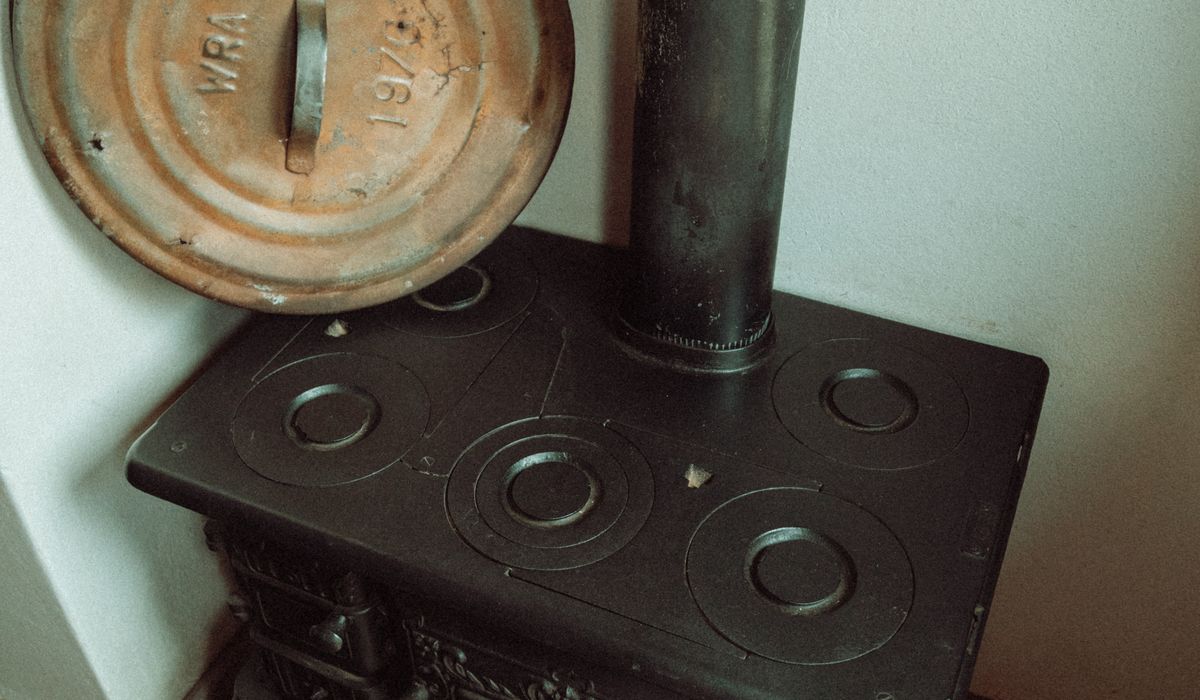
How a wood stove and an open fire actually burn
An open fire is the oldest way to heat a room, and it works by drawing a generous volume of air up the chimney. Much of that air is not used for combustion at all; it simply races past the flames, taking heat with it. A wood stove, by contrast, is a sealed box. You control the air supply through vents, so the fire burns at a steadier temperature and the hot gases stay in the firebox long enough to give up their heat to the metal. That single difference explains most of the practical gap between the two.
Efficiency, running costs and real heat output
In broad terms, an open fire is around 15 to 30 per cent efficient. A well-installed wood stove can reach 70 to 85 per cent, which means far less of your fuel disappears up the chimney. For a cottage or rural home that relies on logs, that gap shows up in the log store: a stove can heat the same space with perhaps a third of the wood an open fire would consume. In smoke control areas, you must burn authorised fuels or use a DEFRA-exempt stove, so check local rules before you buy. Whichever you choose, seasoned wood with a moisture content below 20 per cent is essential. Wet wood wastes energy, creates tar and blackens the glass. A simple moisture meter is one of the best small investments you can make.
Control, comfort and the way a room feels
Control is where a stove truly wins. You can slow the burn for a mild evening, open the vents for a quick boost, and load it for an overnight burn that still has embers at breakfast. An open fire is more immediate and more sociable—you can watch the flames, hear the crackle and add a log whenever you like—but it is also less predictable. It burns quickly, needs more frequent attention, and can make a room too hot in one spot while leaving the rest cool. A stove spreads heat more evenly, especially if you have a stove with a convection casing or a heat-powered fan on top. For a traditional cottage living room, the open fire remains a wonderful focal point, but it is best thought of as atmosphere first and heating second.
The hearth, flue and installation practicalities
Both options need a safe hearth, but the details differ. An open fire usually sits in a recess with a grate, fireback and a wide non-combustible hearth extending at least 300mm in front of the opening. A wood stove stands proud of the wall or in a fireplace opening, and it needs a clear, level, non-combustible base—stone, slate, brick or tile—plus strict distances to any combustible material such as timber beams or skirting. A flue liner is almost always required for a stove, and a register plate seals the old chimney opening. Building regulations apply to both, and a qualified installer will confirm ventilation, flue height and hearth thickness. If you live in a listed property or a thatched cottage, get advice early, as the rules can be stricter.
Maintenance and hearth care through the year
Hearth care is part of rural home comfort, and a little routine keeps everything safe and smart.
- Chimney sweeping: book a sweep at least once a year for wood, and twice if you burn smokeless fuel or use the fire daily.
- Ash and grate care: empty the ash pan before it overflows, and check the grate and fireback for cracks. In an open fire, a damaged fireback wastes heat and can let smoke into the room.
- Glass and door seals: clean stove glass with a damp cloth dipped in wood ash, and replace rope seals when they flatten. A poor seal makes the stove hard to control.
- Hearth surfaces: sweep up ash and grit, and avoid harsh acidic cleaners on stone or slate. A soft brush and warm water are usually enough.
- Seasonal checks: before autumn, inspect the flue, clear bird nests, and touch up any scratched stove paint with a suitable high-temperature aerosol.
Choosing what suits your home and lifestyle
If your priority is warmth, lower fuel bills and a fire that keeps going while you are busy, a wood stove is the practical choice. It suits rural homes with a good log supply and a chimney that can take a liner. If your heart is set on a traditional cottage living room with an open grate, an open fire can still work beautifully as a secondary heat source and a gathering point. Some homes combine both: a stove in the main living area and an open fire in a snug or dining room. Whichever you choose, invest in good fuel, a safe hearth and an annual sweep. That is the quiet secret of rural home comfort—not just the fire itself, but the care around it.


Many urban and rural areas have smoke control rules, so choose an exempt stove and burn authorised fuels to stay within local regulations.
Place a comfortable armchair, a side table and a warm lamp near the fireplace, then layer wool throws and cushions for a welcoming retreat.
Stone, brick or slate tiles around the hearth are durable and easy to clean, while rugs can add warmth to adjoining wooden floors.
Keep the mantel uncluttered with a clock, candles and a few seasonal finds, leaving space for practical tools and safe clearance around the fire.