
Autumn Chores for a Hearth-Ready Home
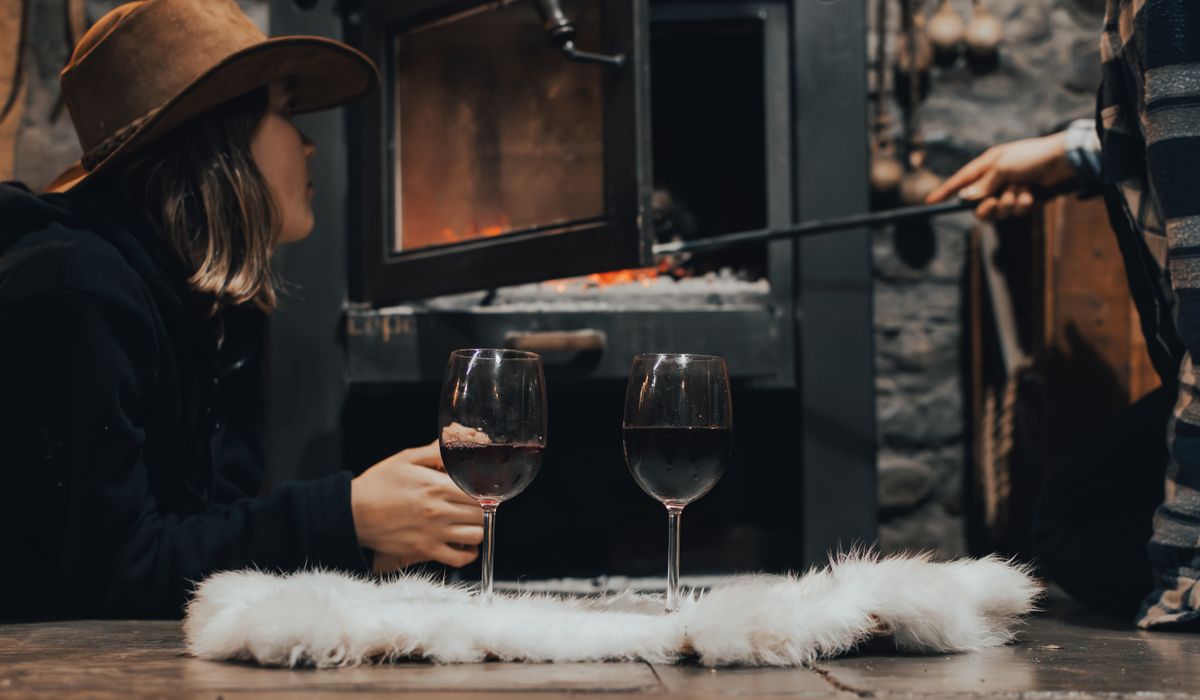
There is a particular kind of evening in late October when the air turns sharp, the light goes amber by four o'clock, and every instinct tells you to light a fire. That evening arrives without warning every year. The households that enjoy it are the ones who spent a dry Saturday in September getting ready, rather than scrabbling for damp logs and a torch in the dark.
Autumn chores are rarely glamorous, but they are the difference between a hearth that warms the whole house and one that smokes, sulks and singes the carpet. Here is how to work through them in a sensible order.
Start With the Chimney, Not the Fire
Book the sweep before the rush. From October onwards, chimney sweeps across the country fill their diaries quickly, and the wait for a first appointment can stretch for weeks. If your flue has not been swept since last winter, soot and creosote will have had twelve months to build up, and that deposit is what fuels chimney fires.
As a working rule, a wood-burning flue wants sweeping once a year, and a smokeless fuel appliance at least once a year too. If you burn unseasoned wood, or burn often and slowly, consider twice. Your sweep should also check the cowl, the bird guard and the mortar around the stack while they are up there, since a cracked pot or a dislodged guard is far easier to fix in mild weather than in January rain.
Ask for a certificate or receipt when the work is done. It is useful for insurance, and it quietly reminds you when the next sweep is due.
Test Every Alarm, Then Test It Again
Smoke alarms save lives, and autumn is the moment to press the test button on each one. Do it while the house is quiet so you can actually hear how loud each alarm is from the bedrooms. If a unit is more than ten years old, replace it regardless of whether it still chirps — the sensors degrade long before the battery gives up.
- Test smoke alarms on every level, ideally one in each hallway and landing.
- Fit a carbon monoxide alarm in any room with a solid fuel appliance, and check it has not expired.
- Replace backup batteries now, not on the night the power fails.
- Vacuum the vents and grilles of alarms to clear dust and cobwebs.
While you are up there with a vacuum, look at the ceiling around the flue. Brown staining, bubbling paint or a faint smoky smell in an upstairs room can point to a blocked or leaking flue, and that needs attention before the first fire, not after.
Bring the Log Store Under Cover
Dry wood is the single biggest improvement most people can make to how their fire burns. Wet logs waste most of their heat boiling off moisture, produce more smoke, and line the flue with tar. You want wood with a moisture content below 20 per cent — a cheap moisture meter will tell you in seconds.
If you buy in bulk, buy seasoned or kiln-dried and stack it now. Keep the stack off the ground on pallets, with the bark facing up, and leave gaps for air to move through. A tarpaulin thrown over the top is fine, but leave the sides open; wrapping a stack tightly traps damp and defeats the point.
- Move a fortnight's worth of logs indoors to a dry, ventilated spot near the hearth.
- Keep hardwoods such as ash, oak and beech for long, slow burns overnight.
- Save softwoods for kindling and quick warm-ups.
- Never stack wood against the stove or the chimney breast.
Look at the Hearth Itself
The hearth takes a beating and rarely complains. Sweep out old ash — keeping a thin bed in a stove is fine, but a grate buried in ash suffocates the fire. Check the firebricks and the baffle plate for cracks, and make sure the door rope seal still presses firmly against the frame. A worn seal lets air in where it should not, and the stove becomes difficult to control.
If you burn smokeless fuel or coal, clear the grate and check the ash pan for corrosion. If you have a gas or electric fire, dust the coals and check the cable or hose for wear. And do look at the surrounding floor: a scorched rug, a cracked tile or a hearth that has drifted too close to combustible material are all things to correct now rather than notice at midnight.
Close the Draughts Before You Need the Fire
A hearth-ready home is not just about the fire. Walk the ground floor on a windy day and feel for cold air around letterboxes, keyholes, loft hatches and the gaps under external doors. Draught excluders, brush seals and a well-fitted curtain make a room feel warmer at a lower thermostat setting, which means less fuel burned for the same comfort.
Finally, lay a first fire ready to light — kindling, a couple of small splits, a firelighter — so that when the first genuinely cold evening arrives, all you have to do is strike a match and put the kettle on. That, more than anything else, is what being prepared feels like.


Once the heating season ends, deep clean soot from tiles, wash hearth rugs and check chimney pots for birds' nests or winter damage.
Seasoned logs are cheaper but need storage, while kiln-dried timber offers consistent moisture content and easier lighting for busy households.
Look for locally sourced hardwood from managed woodlands, and avoid treated or painted timber that can damage your stove and pollute the air.
Raise logs off the ground, keep them under a ventilated cover and leave gaps between rows so air can move through the stack.