
Spring Cleaning the Hearth and Surrounds
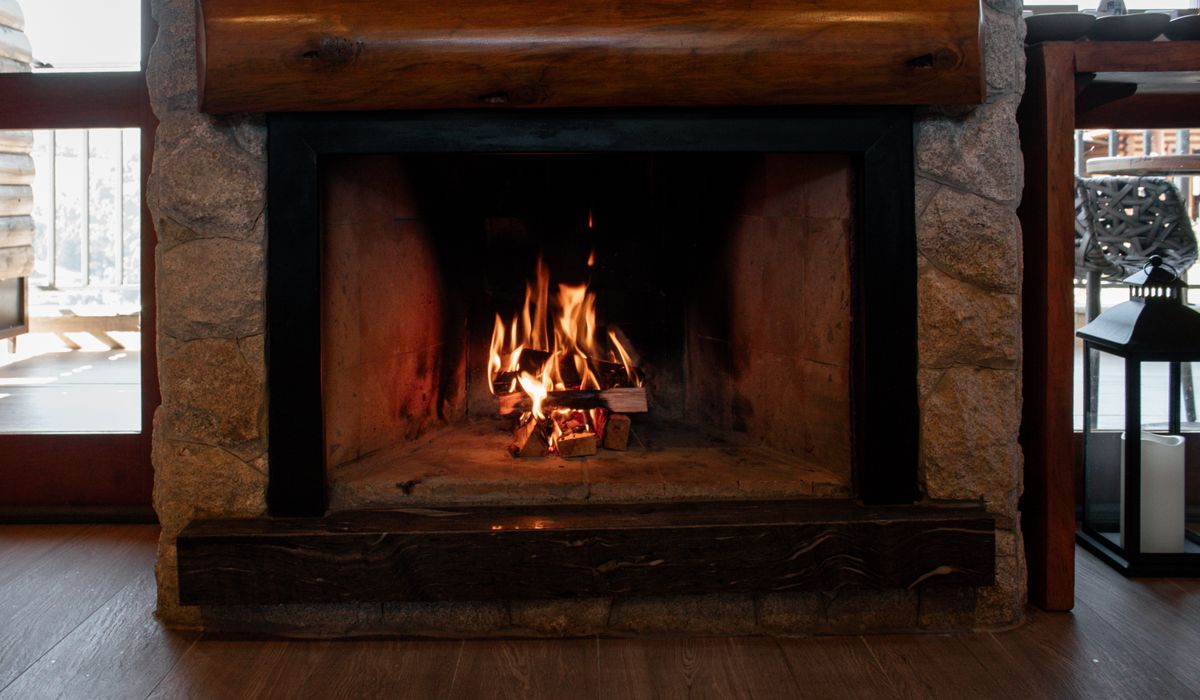
When the Last Fire Goes Out
The evening you decide not to bother lighting up is a quiet milestone in a rural home. The evenings are lighter, the frost has gone from the windowpanes, and the thought of kneeling in front of a stove with a bucket feels far less appealing than a walk along the lane. But spring is precisely the right time to give the hearth and its surroundings a proper going-over. The mess is at its most workable now, the doors and windows can be thrown open to dry everything out, and any repair you uncover has months of warm, dry weather ahead of it rather than a cold snap in November.
Set aside a full dry day, ideally two, and work from the top down: chimney first, then the fire itself, then the surround, the floor, and finally the soft furnishings. Wear old clothes, a dust mask for the sooty stages, and gloves you do not mind ruining.
Clearing Ash, soot and the Fire Box
Start with the fire cold, and be certain it is cold — ash can hold embers for days. Rake out the bulk of the ash into a metal bucket and leave it outside overnight before it goes anywhere near a compost heap. Wood ash is a useful soil sweetener in modest amounts, but keep it away from acid-loving plants such as rhododendrons and blueberries.
Soot behaves quite differently from ash. It is fine, greasy and staining, and it smears badly if you attack it with a wet cloth straight away. Brush it dry first with a soft natural-bristle brush, working downwards and collecting as you go, then wipe over with a barely damp cloth and a mild washing-up liquid solution.
- For stove or firebox glass, dip a damp cloth or crumpled newspaper in fine wood ash and rub in small circles — it lifts the brown glaze surprisingly well.
- Check the firebricks for cracks wider than a few millimetres, the grate bars for bowing, and the door rope seal for flattening or gaps. A rope that no longer presses a clear line into the door edge wants replacing before autumn.
- Oil the hinges and the air-slide mechanism with a light machine oil, and check that the baffle plate still sits correctly on its supports.
Tiles, Stone and the Surround
Hearths take a beating from ash dust, stray sparks and the odd dropped log end. Clay and quarry tiles usually respond well to warm water with a little washing-up liquid and a nylon scrub brush, followed by a clean rinse. Avoid acidic descalers on limestone, sandstone and marble, as they etch the surface permanently. Sealed slate and granite are more forgiving.
For a deeper clean on unglazed quarry tiles, a paste of bicarbonate of soda and water left for ten minutes lifts soot staining without bleaching the colour. Rinse thoroughly and dry with an old towel rather than letting the tiles air-dry, which can leave a dull film.
On painted or waxed timber surrounds, dust first with a soft brush, then use a wax polish sparingly. Skip silicone sprays, which build up and trap grit. Cast-iron inserts and surrounds appreciate a wipe with a lightly oiled cloth; brass fenders and fire irons come up beautifully with a little brass polish and a buff with a soft rag, though many people prefer the gentler patina that a plain wash leaves behind. Never use wire wool on brass or chrome.
Hearth Rugs and Soft Furnishings
Hearth rugs collect a remarkable amount of fine ash, and that grit wears fibres from underneath. Take them outside on a dry, breezy day and beat them properly — a proper old-fashioned thwack with a cane or broom handle shifts more than any vacuum. Then vacuum both sides slowly, and sponge any soot marks with a weak solution of washing-up liquid and cool water, dabbing rather than rubbing.
Wool rugs benefit from a professional clean every couple of years. If yours is a flatwoven or washable cotton rug, check the care label before you consider a machine. Before storing anything away for summer, make sure it is bone dry and add a couple of cedar blocks or lavender bags to deter moths, then roll rather than fold to avoid creases.
Chimney Pots, Cowls and the Roof Line
This is the part most people forget, and it is the one that matters most. Once the fire is out for the season, jackdaws, starlings and squirrels see a chimney pot as prime nesting real estate. A nest blocking a flue is not just a nuisance in autumn — it is a serious smoke and carbon monoxide risk. Look up at each pot with binoculars from the garden and check for twigs, grass or droppings around the rim.
- Inspect the flaunching, the mortar bed holding the pot, for cracks, and the pot itself for chips or hairline splits after frost.
- Check any cowl or bird guard is still firmly fixed and not corroded through.
- Look along the ridge and flashing for slipped tiles or lifted lead, which often show up after a winter of storms.
- Book a chimney sweep now rather than in September — spring appointments are far easier to come by, and a sweep will report on the flue's condition while the weather is kind.
Logs, Storage and Next Season
Finish by sorting the woodpile. Anything left from winter that is damp or mossy should be moved to the back of the store, with fresh seasoned logs to the front so they are ready first. A good log store has a roof, a raised floor and open sides for airflow; wood sealed in plastic or stacked against a wall will simply rot. Aim for logs under 20 per cent moisture, which takes a full year of air drying for most hardwoods.
Finally, air the room thoroughly, wipe down the mantelpiece and ornaments, and leave the hearth empty and clean. Come the first cold evening of autumn, you will be glad of a day spent now — and the first fire of the season will draw sweetly, smell clean and feel like the welcome home it should be.


Look for locally sourced hardwood from managed woodlands, and avoid treated or painted timber that can damage your stove and pollute the air.
Raise logs off the ground, keep them under a ventilated cover and leave gaps between rows so air can move through the stack.
Most wood-burning stoves need sweeping at least once a year, but frequency depends on use, fuel type and whether you burn overnight.
Watch for smoky smells, poor draught, soot falling into the stove or a blackened glass, and call a qualified sweep if problems persist.