
Seasonal Checks for a Safe Wood Stove
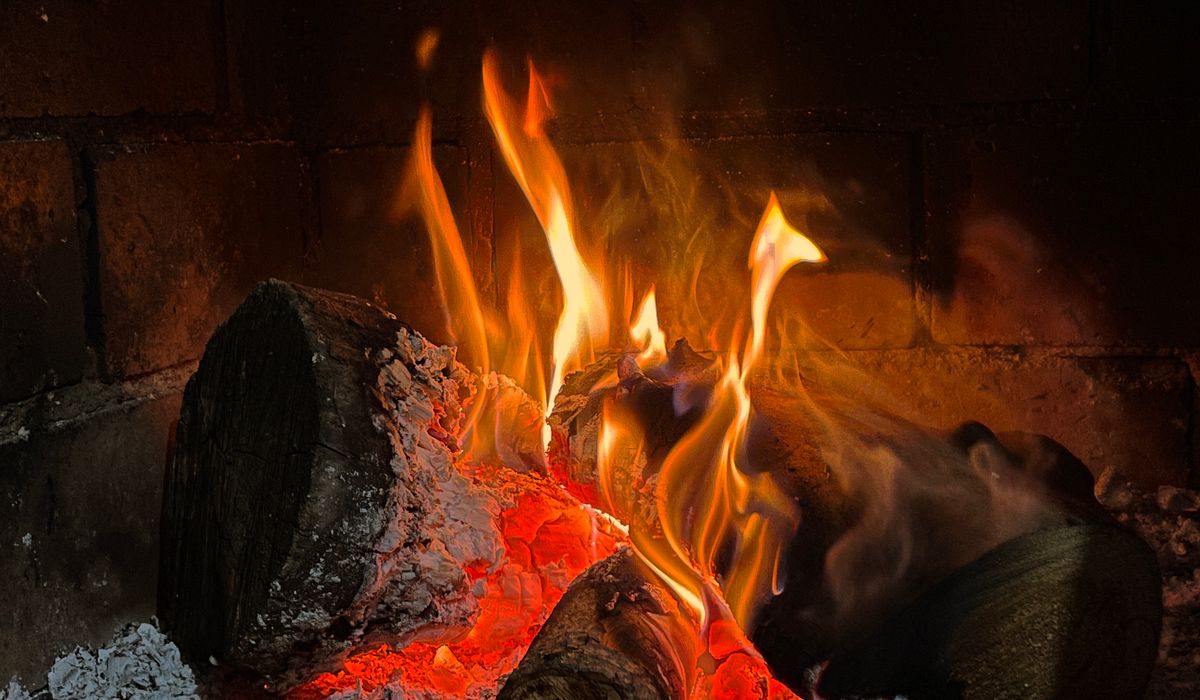
Start the Season Safely
There is nothing quite like the warmth of a wood stove on a crisp autumn evening. But before you strike that first match, a few simple checks will keep your stove running safely and efficiently all winter. Rural homes often rely on a wood burner as a primary heat source, so a little preparation now pays dividends when the cold sets in. The key areas to inspect are the door seals, hinges and firebricks. Worn parts here can lead to poor combustion, excess smoke and even a chimney fire. Let's walk through what to look for.
Door Seals and Hinges: Your Stove's First Line of Defence
The door seal, usually a rope gasket, is what keeps air from leaking into the firebox. If it is worn, you lose control of the burn, waste logs and risk over-firing. To test, close the door on a strip of paper. If you can pull the paper out easily, the seal is failing. Do this at several points around the door. Look for flattened, frayed or missing rope. Also check the hinge side: if the door sags, the seal may not meet the stove body evenly.
- Inspect the rope for compression, blackening or gaps. Replace with the same diameter and type, using high-temperature rope adhesive or fire cement.
- Tighten hinge screws and check for play. If the door drops when opened, the hinge pins or bushes may be worn. Replace them before they damage the seal.
- Lubricate hinges with a little high-temperature grease or graphite powder. Avoid standard oil, which will burn off and leave a sticky residue.
- Adjust the door catch if it feels loose. A snug fit is essential, but do not overtighten, as this can crush the rope.
Firebricks and Internal Linings
Firebricks line the firebox to protect the stove body from extreme heat. Over time they crack, crumble or shift. Small hairline cracks are normal, but large gaps or broken bricks let heat reach the metal, which can warp the stove and reduce efficiency. Check the back, sides and base bricks. Also inspect the baffle plate or throat plate above the fire.
- Replace cracked bricks that are broken through or missing. They are inexpensive and usually slide out once the baffle is removed.
- Seal small cracks with fire cement if the brick is otherwise sound. This is a temporary fix, but it helps.
- Check the baffle for warping or holes. A damaged baffle sends heat straight up the flue, wasting fuel.
- Ensure bricks are snug but not forced. They need room to expand slightly when hot.
The Flue, Baffle and Chimney
A blocked or dirty flue is a serious hazard. Before the heating season, have your chimney swept by a qualified sweep. They will remove soot, creosote and any nesting material. Between sweeps, you can check the flue outlet for obvious blockages. Also look at the flue pipe joints: if they are loose, smoke can leak into the room.
- Book a sweep in late summer or early autumn. Rural chimneys often collect birds' nests and cobwebs.
- Check the flue collar where the stove pipe meets the stove. Reseal with fire cement if needed.
- Inspect the rain cap or cowl. A damaged cowl lets rain in, which rusts the stove.
- Test the draught with a smoke pellet or by lighting a small piece of paper. If smoke does not rise, investigate before lighting a proper fire.
Glass, Ash Pan and Other Wear Parts
Stove glass can crack if a log shifts or if the door is slammed. Check for chips and cracks. Clean with a damp cloth and wood ash, or a proprietary cleaner. The ash pan should be emptied regularly, but also check for rust holes. A rusty ash pan can drop hot embers onto the hearth.
- Replace cracked glass with the correct high-temperature ceramic glass. Do not use ordinary glass.
- Check glass gaskets and retaining clips. Tighten screws evenly to avoid stress cracks.
- Empty and inspect the ash pan for corrosion. A thin layer of ash actually protects the base, so leave a little.
- Test door handles and latches for smooth operation. A stiff handle can mean a broken spring or worn cam.
A Simple Pre-Season Routine
Set aside an hour on a dry afternoon. Gather your tools: a torch, a wire brush, fire cement, replacement rope, and a screwdriver. Work through the checks above. If you find a part you cannot replace yourself, call a qualified stove engineer. It is better to wait a few days for a part than to risk a chimney fire or carbon monoxide leak. Once everything is snug and sealed, you can look forward to many evenings of steady, glowing warmth. Your stove will thank you with better fuel economy and a cleaner burn.


Wood stoves usually offer greater efficiency and control than open fires, though open fires provide a traditional focal point for cottage living rooms.
Use draught excluders, door curtains and careful stove placement to move warm air through rooms without relying on costly central heating.
Many urban and rural areas have smoke control rules, so choose an exempt stove and burn authorised fuels to stay within local regulations.
Place a comfortable armchair, a side table and a warm lamp near the fireplace, then layer wool throws and cushions for a welcoming retreat.