
Using Firelighters and Kindling Without Smoke
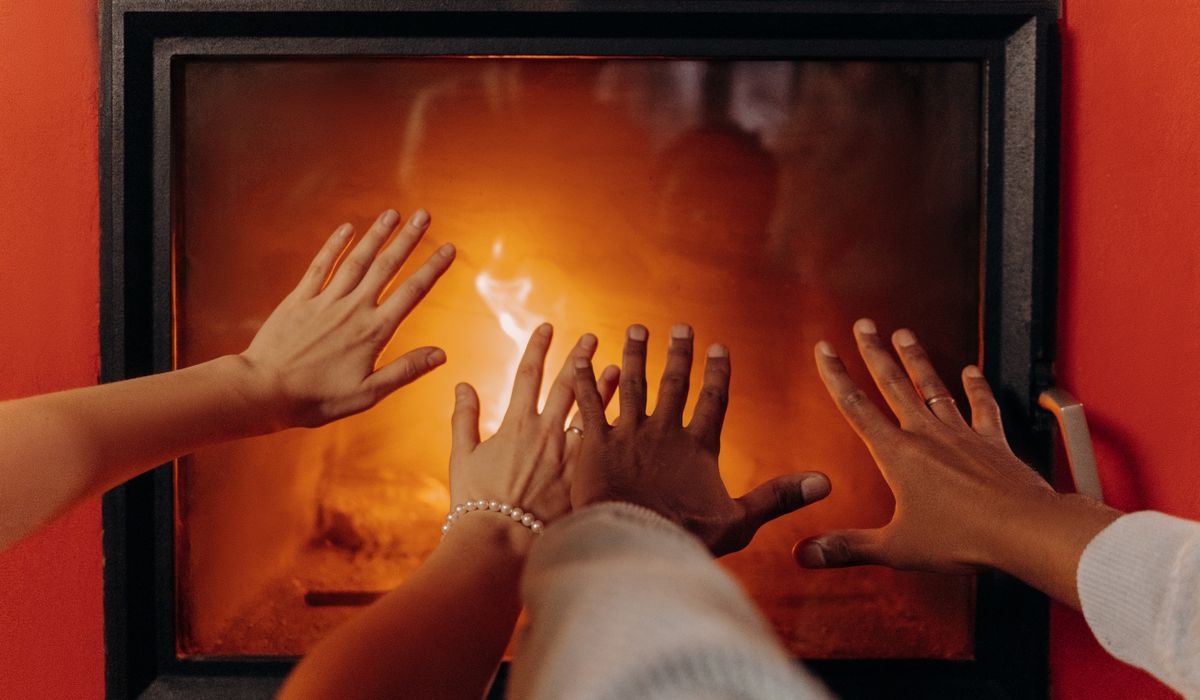
A fire that lights cleanly and burns without smoking is not luck. It is dry fuel, a sensible stack, and a steady draught. In rural homes, where an open fire or stove sits at the centre of comfort, building a small, hot fire from the bottom up saves kindling, temper, and chimney tar. The method is simple: a criss-cross of dry kindling around natural firelighters, then thin logs once flames are strong and the draught is steady.
Start with Dry Fuel and a Clear Flue
No lighting technique can rescue damp wood. Smoking fires usually begin with wet fuel, a cold chimney, or a blocked flue. Split logs should read under 20 per cent moisture. Seasoned hardwood dried for a year is ideal. Store wood off the ground, under cover but with air moving through. Keep kindling and firelighters indoors so they are bone dry.
- Have the chimney swept yearly, more often if you burn daily or use softwood.
- Open all air vents before lighting.
- Leave a thin ash bed in a stove.
- Check for nests, cobwebs, or soot falls.
Build a Loose Criss-Cross of Kindling
Take dry kindling no thicker than a pencil. Lay two pieces parallel, then two across at right angles. Add a third layer parallel to the first, then a fourth across. Leave gaps of a centimetre or two between every piece. The stack should be the size of a large orange, not a tower. Place it on a bed of ash or a grate, away from the back wall. Air must move underneath and around it. If it looks dense enough to block a breeze, it is too tight.
Place Natural Firelighters in the Centre
Natural firelighters — wood wool dipped in wax, or compressed sawdust and wax — are cleanest. Avoid paraffin-heavy blocks that blacken stove glass and leave a fuel whiff. One or two small firelighters are enough. Tuck them into the centre of the criss-cross stack, beneath the kindling, where they can ignite the wood above. Do not bury them. Leave air space around each one. If using a stove, place them slightly forward so flames lick towards the flue outlet. A single firelighter the size of a matchbox often does more than three crammed together.
Light, Wait, Then Add Thin Logs
Light the firelighter at its base. The kindling should crackle within thirty seconds. If smoke curls into the room, the flue is not pulling. Open a window a fraction, or warm the chimney with a rolled newspaper — but do not let paper smoke. In a stove, leave the door just ajar for a minute if instructions allow. Once flames are bright and you hear a steady draught, add thin logs no thicker than your wrist. Place them across the flames, one at a time. Wait until each catches before adding the next. Thick logs added too early will smother the fire and create smoke.
Troubleshooting and Hearth Care
Even with good technique, fires can sulk. A cold morning, downdraught, or sudden wind can push smoke into the room. If smoke spills, stop adding fuel. Open a door or window slightly, and check air vents are fully open. Once burning hot again, close the window. If it repeats, sweep the flue or check the chimney pot for downdraught. After the fire is out and cold, remove excess ash but leave a thin bed in a stove. Check door ropes and glass seals for wear. Sweep the chimney before the season. Keep dry kindling and natural firelighters beside the hearth, but not so close they could catch a stray spark.
- Fire dies after lighting: kindling too thick or damp; rebuild with finer pieces.
- Smoke rolls into room: flue cold or blocked; warm it and check for obstructions.
- Glass blackens quickly: wet fuel or low air; burn hotter and drier.
- Little flame, much smoulder: too much fuel; remove a log and open the air.
A clean-burning fire is a quiet pleasure. Build small, build loose, and let the draught do its work. Once mastered, smoke becomes the exception rather than the rule.


Inspect door seals, hinges and firebricks before the heating season, replacing worn parts to keep the stove running safely and efficiently.
Leave a thin layer of ash on the grate for insulation, then remove the rest with a metal scoop once the stove is completely cold.
Wood stoves usually offer greater efficiency and control than open fires, though open fires provide a traditional focal point for cottage living rooms.
Use draught excluders, door curtains and careful stove placement to move warm air through rooms without relying on costly central heating.