
The Real Math Behind Why Casinos Always Win (And Why You Still Can)
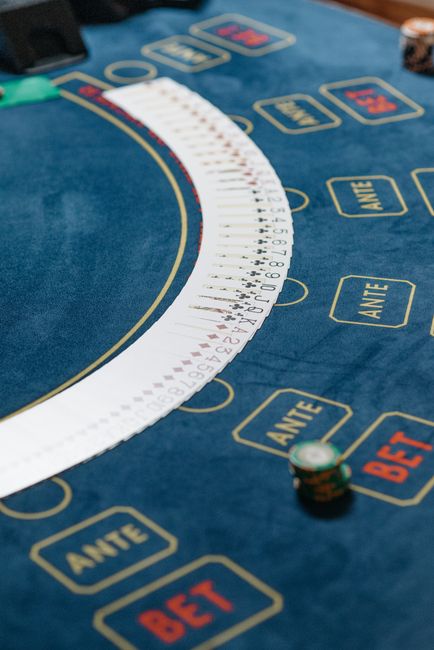
Every slot player has felt it: three scatters short of the bonus, a blackjack hand that busts on 12, a poker river that completes someone else's flush. The instinct is to blame the algorithm, the RNG, the platform. But the honest answer is less dramatic and far more useful — the math is simply doing what it was designed to do. Understanding that math is the difference between a player who gambles and a player who has a strategy.
House Edge: The Tax You Pay for Entertainment
Every casino game carries a built-in mathematical advantage for the operator. It's called the house edge, and it's not a conspiracy — it's a business model. The edge varies wildly between games, which means game selection is the single biggest decision a player actually controls.
- Blackjack (basic strategy): roughly 0.5% house edge
- Baccarat (banker bet): about 1.06%
- European roulette: 2.7%
- American roulette: 5.26% (that extra double-zero pocket is brutal)
- Three-reel slots: typically 2% to 8%
- Keno and some video poker variants: often 10% to 25%
That gap between a 0.5% and a 25% edge is enormous. Over a thousand hands, it's the difference between losing a fraction of your bankroll and donating it entirely. Serious players treat the house edge like a commission fee — the goal isn't to eliminate it, but to keep it as low as possible.
Slot Mathematics Are Misunderstood More Than Any Other Game
Slots get called rigged more than anything else, usually because players judge them by short-term results. But slots are transparent if you know where to look. Two numbers matter: RTP (return to player) and volatility.
RTP is expressed as a percentage over millions of spins. A slot with 96% RTP returns 96 cents per dollar wagered in the long run, keeping 4 cents for the house. The critical word is "long run." In a single session of 300 spins, variance dominates completely — you might end up 400% up or 100% down, and both are entirely normal. Many readers start with สล็อต when comparing options.
Volatility describes how that variance is delivered. Low-volatility slots pay frequently in small amounts, ideal for stretching a bankroll. High-volatility slots pay rarely but can produce massive multipliers. A millionaire-making jackpot slot and a steady fruit machine can share the same RTP yet feel like completely different games.
Practical tip: Look up the RTP of any slot before playing it. Regulators like the UK Gambling Commission require many operators to publish it, and sites like SlotCatalog or the developer's own info screen usually list it. A 96.5% slot is meaningfully better than a 93% one over hundreds of sessions.
Poker Is the One Game Where Skill Actually Changes Everything
Here's where the casino model flips. Against the house, the math is fixed and you cannot beat it long-term through wishful thinking. Against other players, the house just takes a rake and the rest is a skill contest. This is why poker remains the only mainstream casino game where consistent winners genuinely exist.
But skill doesn't mean guaranteed profit. It means positive expected value over time. A strong player makes decisions that win money on average, and even the best players endure brutal downswings. The difference is they understand variance instead of being destroyed by it.
Three habits separate winning poker players from losing ones:
- Position awareness. Acting last gives you information everyone else lacks. Playing more hands from the button and fewer from early position is a foundational edge.
- Pot odds discipline. If a call costs $20 to win a $100 pot, you need roughly 17% equity to break even. Chasing draws without that math is just donating.
- Bankroll management. Serious cash-game players keep at least 20 to 30 buy-ins for their stake. Tournament players often need 50 to 100. Going bust isn't a strategy failure — it's a management failure.
Bankroll Management Is the Most Underrated Skill on the Floor
You can play perfect blackjack strategy, pick 97% RTP slots, and still go broke if you bet too large relative to your bankroll. Size your bets to survive normal variance, not just a good night.
A simple framework: allocate a bankroll you can afford to lose entirely, then bet 1% to 2% of it per spin or hand. With a $500 bankroll, that means $5 to $10 bets. This keeps you alive through the inevitable cold streaks and gives the house edge time to work against itself less aggressively.
Also separate your gambling money from everything else. No rent money, no emergency fund, no borrowed funds. This isn't about being boring — it's about protecting your decision-making. Fear-induced betting destroys discipline faster than any bad beat.
Bonuses, Promotions, and the Fine Print That Eats Them
Welcome bonuses look like free money until you read the wagering requirements. A $100 bonus with 40x wagering means you must bet $4,000 before withdrawing anything. At a 96% RTP, the expected loss on those $4,000 in wagers is around $160 — more than the bonus itself in many cases.
- Check the wagering multiplier and whether the bonus amount, deposit, or both count
- Check which games contribute — slots usually count 100%, table games often 10% or less
- Check the maximum bet allowed while clearing the bonus
- Check the expiry window, often just 7 to 30 days
Bonuses can be genuinely valuable, but only when the math works. A low-wagering reload or a free-spin offer with no strings attached often beats a flashy 100% match with 50x requirements.
The Bottom Line
The house always wins in aggregate. That's not a defeatist statement — it's the honest starting point. Within that reality, players who understand RTP, volatility, expected value, and bankroll sizing consistently do better than those who chase feelings. They lose slower, celebrate wins realistically, and occasionally exploit a genuine edge when one appears, whether through a poker table, a generous promotion, or an advantage play.
Gambling should be entertainment with a cost, not an income strategy. Know the math, pick your games deliberately, treat bonuses like contracts rather than gifts, and never bet money you need. The smartest players aren't the luckiest ones — they're the ones who understood the numbers before they sat down.


Build a small criss-cross stack of dry kindling around natural firelighters, then add thin logs once flames are strong and draught is steady.
Wait until the glass is cool, then use a damp cloth with wood ash or a specialist cleaner to remove soot without scratching the surface.
Inspect door seals, hinges and firebricks before the heating season, replacing worn parts to keep the stove running safely and efficiently.
Leave a thin layer of ash on the grate for insulation, then remove the rest with a metal scoop once the stove is completely cold.