
Why Smart Players Treat iGaming Like a Skill, Not a Lottery
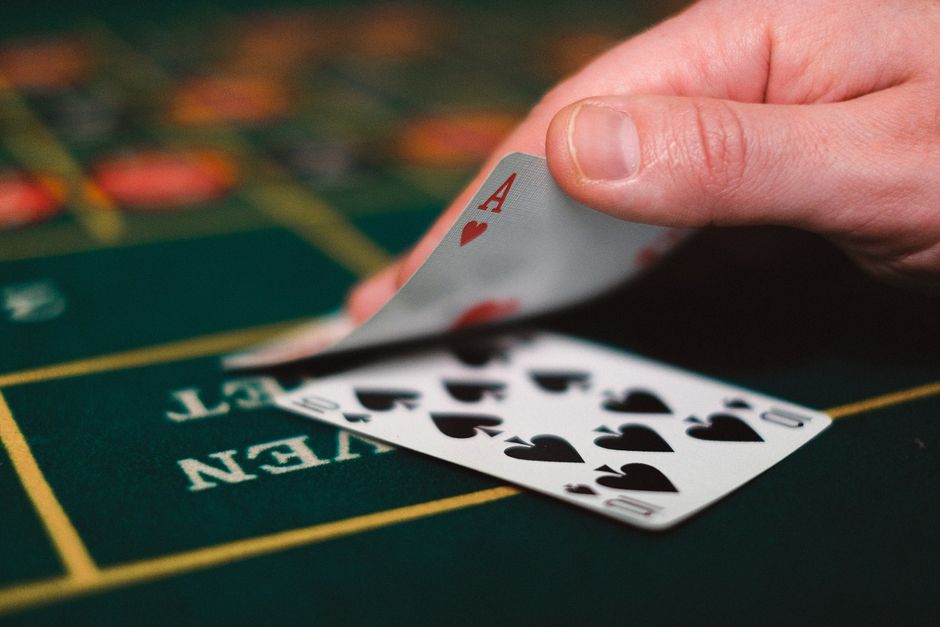
Walk into any poker room and you will spot them within five minutes: the players who treat every hand like a coin flip, and the ones who treat every decision like a small business transaction. The difference between those two groups has almost nothing to do with luck, and everything to do with how they think about the games they play. That gap is what separates iGaming from pure gambling, and understanding it is the single most useful thing you can do before you deposit another dollar.
The House Edge Is Not a Boogeyman, It Is a Benchmark
Every game you find in an online casino comes with a built-in mathematical advantage for the operator. That is not a scam; it is the business model, and it is published openly if you bother to look. European roulette runs a 2.7% house edge. American roulette nearly doubles it at 5.26% purely because of that extra double-zero pocket. Blackjack played with basic strategy can dip below 1%, while a typical slot machine sits somewhere between 2% and 10% depending on the RTP the developer set.
Why does this matter? Because once you know the edge, you can compare games honestly instead of guessing. A slot with 96.5% RTP is not "generous" in any emotional sense, but it is measurably better than one at 92%. Over a thousand spins at $1 each, that four-and-a-half point difference is real money. Treat the house edge as the price of entertainment, not as an obstacle to be beaten. Players who internalize this stop chasing losses and start budgeting properly.
A quick comparison worth remembering:
- Blackjack with basic strategy: roughly 0.5% edge
- Baccarat banker bet: about 1.06%
- European roulette: 2.7%
- American roulette: 5.26%
- Typical online slots: 2% to 10%
- Keno and most lottery-style games: often 25% or higher
Slots Are Engineering, Not Magic
The romantic idea of a slot machine "being due" for a payout is one of the most expensive myths in iGaming. Modern slots use random number generators that re-roll millions of times per second. The reels you see spinning are a visual animation; the outcome was locked in the instant you pressed the button. A machine that has not paid out in three hours is exactly as likely to hit the jackpot as one that paid two minutes ago.
What you can actually influence is volatility. High-volatility slots like many of the Megaways titles pay rarely but can land enormous multipliers. Low-volatility games pay small amounts frequently. Neither is better; they suit different bankrolls and moods. A useful rule of thumb: if your session budget is under $50, low or medium volatility will keep you playing long enough to enjoy it. High-volatility games can drain a small balance in twenty spins without flinching.
Also worth checking before you spin: maximum bet limits on progressive jackpots. Many require you to be betting the max coin size to qualify for the top prize. Hitting the jackpot symbols on a minimum bet and discovering you are not eligible is a genuinely brutal lesson.
Poker Rewards the Patient, Punishes the Ego
Poker is the one game in iGaming where a skilled player can legitimately win long term. That is not opinion; it is documented. But skill in poker does not mean bluffing constantly or making hero calls. It means understanding position, pot odds, and opponent tendencies well enough to make mathematically sound decisions over thousands of hands.
The single biggest leak for beginners is playing too many hands. In a full-ring game, a disciplined player folds the vast majority of starting hands. New players see a suited seven-three and think it looks pretty. It is not profitable from early position, and it never will be no matter how many times it "worked that one time."
- Play tight from early position, wider from the button.
- Track your results honestly, not selectively.
- Move down in stakes when your bankroll drops below twenty buy-ins.
- Study one concept at a time instead of binge-watching random videos.
Online poker has another advantage that live poker lacks: you can use tracking software, review hand histories, and analyze your win rate by position and street. Data beats intuition, every single time. Those comparing choices often turn to สล็อต.
Betting Markets Are Priced, Not Random
Sports betting gets mischaracterized as guesswork. In reality, bookmakers employ odds compilers and trading teams whose whole job is to set prices that reflect true probability, plus a margin. When you see a team priced at 1.50, the implied probability is roughly 66.7% before the margin is stripped out.
This means the only sustainable approach is finding spots where your own estimate of probability is meaningfully higher than the market's. Casual bettors rarely beat closing lines, which is why professional bettors track how the line moved after they placed their wager. If the line drifted in your favor, you likely spotted value. If it drifted against you, the market disagreed with your read.
Practical habits that help:
- Shop odds across multiple books before betting anything.
- Focus on one or two leagues you actually follow closely.
- Avoid parlays unless you understand they multiply the house edge.
- Track every bet in a spreadsheet, not in your head.
Bonuses, Wagering, and the Fine Print Nobody Reads
Welcome bonuses look generous until you read the terms. A 100% match up to $500 with a forty-times wagering requirement means you need to bet $20,000 before withdrawing a cent of bonus money. On a slot with 96% RTP, the expected loss on that volume is roughly $800. Suddenly the bonus is worth far less than advertised, and in some cases it is a net negative.
That does not mean all bonuses are bad. Low-wagering reloads, cashback on losses, and free spins with minimal restrictions can genuinely improve your expected value. The trick is doing quick mental math before opting in. Wagering requirement times house edge tells you the true cost. If your expected loss exceeds the bonus value, decline it.
Bankroll Management Is the Only Guarantee You Have
You cannot guarantee a win in any game of chance. You can, however, guarantee that you are never in a position where a bad streak ruins your week. Set a session limit before you log in, and a monthly limit before that. Treat it as money already spent on entertainment, the same way you would view a concert ticket.
Responsible gambling tools, from deposit limits to self-exclusion periods, exist for a reason. The players who last decades in iGaming are not the ones with secret strategies. They are the ones who never bet money they needed for something else, who walk away after a losing session without trying to "win it back," and who understand that the fun is in the decision-making, not in the balance on screen.
None of this removes variance. You will still lose hands you played perfectly and win ones you played terribly. That is the nature of a game priced by mathematics. What it does change is your trajectory. Think like an operator, respect the numbers, and treat every session as practice instead of a fight against the odds. The house always has its edge; your job is to make sure it collects as little as possible while you enjoy the ride.


Build a small criss-cross stack of dry kindling around natural firelighters, then add thin logs once flames are strong and draught is steady.
Wait until the glass is cool, then use a damp cloth with wood ash or a specialist cleaner to remove soot without scratching the surface.
Inspect door seals, hinges and firebricks before the heating season, replacing worn parts to keep the stove running safely and efficiently.
Leave a thin layer of ash on the grate for insulation, then remove the rest with a metal scoop once the stove is completely cold.